Unlock Global Connectivity With an ESIM Card
Imagine landing in a new country and skipping the hunt for a local SIM card. An eSIM is a small, embedded chip in your phone that lets you activate a cellular plan without a physical card. You just download a profile, switch carriers easily, and keep your regular number alongside a data plan.
What Is an Embedded SIM and How It Works
An embedded SIM, or eSIM card, is a tiny, programmable chip soldered directly onto your device’s motherboard, replacing the physical plastic card. Unlike a removable SIM, you don’t insert or swap it; instead, you activate cellular service by downloading a digital profile from your carrier. This profile, containing your unique credentials, is securely written onto the chip using Over-the-Air (OTA) technology. To switch providers, you simply install a new profile and erase the old one entirely within your device settings, bypassing the need to wait for a mailed card. The eSIM’s rewritable memory lets you hold multiple plans simultaneously, though only one can be active at a time, giving you instant flexibility for travel or switching networks.
The Hardware Difference: Soldered Chip vs. Plastic Card
The core hardware difference between an eSIM and a plastic SIM card is that the eSIM is a permanently soldered chip embedded directly onto the device’s motherboard, whereas a plastic card is a removable, physical component. This soldered chip eliminates the need for a physical SIM tray, freeing up internal space for larger batteries or slimmer designs. Unlike a plastic card, which can be lost or damaged, the eSIM chip is securely fixed, preventing theft or accidental ejection. While you cannot physically swap a soldered chip between phones, its reprogrammable nature allows you to change carriers digitally—offering greater durability and tamper-proof reliability over the fragile, removable plastic card.
| Aspect | Soldered eSIM Chip | Plastic SIM Card |
|---|---|---|
| Physical Form | Fixed chip on motherboard | Removable plastic card |
| Durability | High, no moving parts | Low, prone to loss/damage |
| Switching Devices | Digital transfer only | Physical card swap |
Remote Provisioning: Activating Without a Physical Slot
Remote provisioning eliminates the need for a physical SIM slot by letting you activate a cellular plan entirely over the air. Instead of inserting a plastic card, you scan a QR code or download a carrier profile directly onto the device’s embedded SIM. This on-demand activation happens in seconds, even from a different continent, and allows you to switch between networks or add new data plans without touching hardware. The process is fully digital: your device contacts the carrier, securely downloads credentials, and connects to the network—all without visiting a store or waiting for a mail-delivered SIM.
Multiple Profiles: Storing Several Operators on One Device
An eSIM enables multiple operator profiles to be stored simultaneously on a single device, each containing distinct network credentials. Users can switch between these stored profiles without physically swapping cards, managing active subscriptions through the device’s settings menu. Each profile is isolated, so data from one operator remains inaccessible to others. This allows a traveler, for example, to keep a home carrier profile while adding a local data plan, retaining both as separate, selectable entries on the same chip.
Key Advantages Over Traditional Plastic SIM Cards
The day I landed in Tokyo, fumbling with a tiny plastic SIM card and praying I wouldn’t drop it in the airport toilet, was the last straw. Switching to an eSIM card erased that nightmare entirely. The key advantage is simple: you never need to physically swap a chip. Activating a local carrier is done in minutes via a QR code or app, letting you hop between networks as easily as switching Wi-Fi. You can maintain your primary number for calls while downloading a secondary data plan for travel, all without ejecting a tray. This eliminates the risk of losing the tiny plastic card or damaging the fragile SIM slot. For anyone who frequently changes carriers or travels, the freedom from physical hardware transforms a brittle, finicky process into a seamless digital switch.
Instant Carrier Switching Without Swapping Out Hardware
With an eSIM, you can instantly switch carriers without swapping out any physical card. Instead of hunting for a SIM tool or waiting for a mail-order chip, you just download a new mobile plan directly onto your device. This makes changing networks based on coverage needs incredibly fast, especially while traveling or when you find a better local deal. No more carrying multiple plastic SIMs or worrying about losing a tiny card.
What if my current carrier has bad reception here? You simply open your phone settings, pick a new eSIM profile from another provider, and activate service in under a minute.
Space Savings Inside Gadgets for Larger Batteries or Sensors
The removal of a physical SIM tray directly frees up internal chassis volume, allowing engineers to reallocate that millimeter-thin cavity toward a larger battery capacity or an additional sensor module. This reclaimed space—often several cubic centimeters—enables a thicker, higher-mAh cell without enlarging the device footprint, or permits the integration of a barometric pressure sensor for improved altimetry. By eliminating the plastic pocket, every gram of available volume can serve power or environmental detection, not wasted structure.
Space savings from esim adoption translate directly into either more battery runtime or advanced sensor hardware, all within the same slim device profile.
Enhanced Durability for Waterproof and Rugged Devices
For waterproof and rugged devices, the elimination of a physical SIM tray through an eSIM directly removes a primary point of ingress for moisture, dust, and debris. This design choice allows for a completely sealed chassis, drastically reducing the risk of internal corrosion or short circuits from water exposure. Consequently, devices like action cameras, smartwatches, and industrial tablets achieve superior enclosure integrity, maintaining reliable connectivity in harsh, wet, or extreme environments without compromising structural durability.
Compatible Devices and How to Check Yours
To use an eSIM, your device must be eSIM-compatible. Most recent smartphones from Apple, Samsung, and Google support it, but older models do not. To check yours, dial *#06# – if you see an EID number, your device is eSIM-ready. Alternatively, navigate to Settings > Cellular or Mobile Data and look for an “Add eSIM” option. For specific models, consult the manufacturer’s official compatibility list. Always verify this before purchasing a plan to avoid activation issues.
Smartphones: Flagship Models from Apple, Google, and Samsung
For flagship eSIM compatibility, Apple’s iPhone 15 Pro series and Google’s Pixel 8 Pro support dual active eSIMs with no physical SIM slot in some regions. Samsung’s Galaxy S24 Ultra accepts one eSIM alongside a physical SIM. To verify support, go to Settings > Connections > SIM Manager. Only the Pixel 8 Pro allows you to transfer an existing eSIM directly from an old device during setup. For a clear check:
- Open your device’s Settings app.
- Navigate to “About Phone” or “General,” then “Status” or “IMEI information.”
- Look for “EID”—if present, your flagship model supports eSIM.
Wearables, Tablets, and Laptops Embracing the Technology
Wearables, tablets, and laptops now increasingly integrate eSIM technology to eliminate physical SIM slots, offering seamless connectivity across devices. For wearables, an eSIM allows standalone cellular data, voice, and text without tethering to a phone. Tablets and laptops benefit by enabling instant mobile plans for remote work or travel, bypassing the need for Wi-Fi hotspots. To check compatibility, verify that your device’s settings include an “Add Cellular Plan” or “Manage eSIM” option, and consult the manufacturer’s specification list for eSIM-supported model numbers.
Q: How does eSIM functionality differ between a wearable and a laptop?
A: On a wearable, the eSIM typically shares your phone’s number for synced calls and messages, while on a laptop, it provisions a separate data-only plan for independent internet access.
Verifying Support Through Settings or Manufacturer Specs
To verify eSIM support, start directly on your device. On Android, navigate to Settings > Connections > SIM manager; a dedicated “Add eSIM” option confirms compatibility. For iPhones, go to Settings > Cellular and look for “Add Cellular Plan.” If absent, consult your phone’s official manufacturer specs page on the brand’s website—search for “eSIM” in the technical specifications. Carrier-locked or older budget models often lack this hardware, even if software suggests it. Checking both settings and specs ensures you won’t purchase a plan for a non-compatible device.
Common Use Cases for Travelers and Global Roamers
For travelers, the eSIM card eliminates physical SIM swaps when crossing borders. A globetrotter can land in Tokyo and instantly activate a local data plan via an app, bypassing airport kiosks. Digital nomads use eSIMs to juggle a home country number for banking while running a local data line for work. Adventure seekers benefit by preloading regional plans before trekking into remote areas without retail connectivity.
The key insight: eSIMs let you switch between a Hong Kong plan and a Brazilian plan mid-flight, without ever touching a tray table.
Frequent roamers avoid lost physical cards and latency from international roaming fees by scanning a QR code to top up data mid-trip, keeping navigation and messaging seamless across multiple countries.
Buying and Activating a Data Plan Before Departure
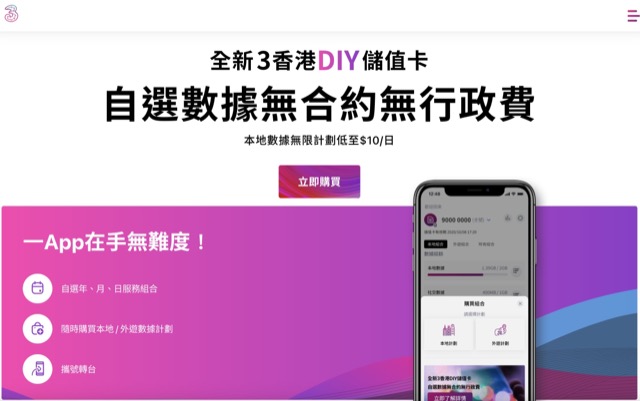
For travelers, pre-departure eSIM activation eliminates roaming hassles by allowing you to purchase and install a data plan while still on Wi-Fi at home. After choosing a plan from a provider’s app or website, you scan a QR code or download a profile directly to your device. The plan typically activates upon arrival, triggered by connecting to a local network, but you can often set a specific start date. This ensures immediate connectivity after landing, avoiding airport SIM queues. A remote provisioning system stores the profile without requiring a physical card swap, preserving your home line for calls.
Avoiding Expensive Roaming Fees with Local Digital Profiles
For international travelers, local digital profiles are the most direct method for avoiding expensive roaming fees. Instead of purchasing a physical SIM at each destination, you download a prepaid eSIM profile from a local carrier before or upon arrival. This instantly assigns you a local number and data plan, bypassing your home provider’s international rates. The sequence is straightforward: first, verify your device’s eSIM compatibility; second, purchase a data package from a local eSIM provider; third, activate the profile via a QR code or app. You then disable your primary line for data, ensuring all traffic routes through the local profile. This completely eliminates per-megabyte roaming surcharges and daily roaming pass costs.
Managing Multiple Country Plans on a Single Handset
Managing multiple country plans on a single handset becomes effortless with an eSIM, as you can store several international profiles alongside your primary line. Instead of swapping physical SIMs at each border, you simply switch between pre-loaded data plans for different destinations through your device’s settings. This allows you to activate a local plan for Japan while keeping your home number active, then disable it and enable a separate USA plan upon landing. Each plan remains isolated, preventing billing confusion and preserving local rates for calls or data per country. The key benefit is seamless multi-plan management, which eliminates the hassle of juggling tiny SIM cards and ensures you are always connected with the most appropriate coverage.
Business and Enterprise Applications of Remote SIM Technology
For enterprises, Remote SIM provisioning via eSIM enables bulk, over-the-air device management without physical card swaps. This is critical for fleets of IoT sensors or corporate tablets deployed globally, allowing IT to switch carrier profiles instantly based on cost or coverage demands. A common query: How do businesses manage multi-country connectivity for field assets? By pre-loading multiple operator profiles on a single eSIM, a device can automatically select the optimal network upon crossing borders, reducing roaming fees and manual logistics. This capability streamlines supply chain tracking and remote workforce connectivity, as SIM profiles are pushed securely from a central platform, eliminating downtime from card distribution and physical insertion.
Fleet Management: Centralized Profile Management for IoT Devices

In fleet management, centralized profile management for IoT devices transforms logistics by letting administrators remotely swap operator profiles across thousands of vehicles without physical SIM swaps. This means a truck crossing borders instantly activates a local carrier’s network, ensuring uninterrupted telemetry and routing updates. Driver behaviors or engine diagnostics remain seamlessly uploaded, even when fleets shift between cellular zones overnight. No more replacing chips in connected dashcams or temperature sensors—just a few commands from a single portal adjust connectivity for each asset. This cuts downtime and eliminates manual labor, keeping supply chains fluid as vehicles roam across disparate networks.

Secure Connectivity for Corporate-Owned Smartphones

For corporate-owned smartphones, eSIM technology enables a dedicated, encrypted mobile profile that isolates business data from personal use. This allows IT administrators to enforce strict security policies and remotely wipe corporate connectivity without affecting the employee’s personal line. An eSIM also supports automatic failover to a secure backup carrier, ensuring continuous access to corporate resources. By avoiding physical SIM swaps, the eSIM reduces the risk of unauthorized network access through lost or tampered cards, enhancing device integrity. This is critical for maintaining zero-trust mobile security in enterprise fleets.
Secure connectivity for corporate-owned smartphones relies on eSIM profiles to isolate business traffic, enforce remote policy controls, and eliminate physical SIM vulnerabilities, ensuring protected and resilient enterprise access.
Simplified Onboarding for Temporary or Remote Workers
For temporary or remote workers, eSIM technology eliminates physical SIM logistics by allowing instant profile activation upon hire, regardless of location. Simplified remote worker provisioning is achieved by pre-configuring an eSIM profile with corporate access and data limits that activates automatically. This avoids shipping delays and manual setup errors. A clear sequence for onboarding involves:
- Company sends a QR code or activation link to the worker’s device.
- Worker scans the code to download the eSIM profile instantly.
- Device connects to local networks without additional configuration.
The profile can be revoked remotely when the assignment ends, removing the need for hardware retrieval or SIM deactivation.
Security and Privacy Considerations You Should Know
eSIMs eliminate physical card theft but introduce a new attack surface: remote provisioning. You must protect your device’s primary account password, as a compromised account can allow an attacker to transfer your eSIM to their own device, hijacking your number. Always enable strong, unique passwords and multi-factor authentication for your carrier’s online portal, where eSIM management occurs. Lock your phone’s SIM settings with a separate PIN to prevent unauthorized eSIM deletions or swaps if your device is stolen. Be especially cautious on public Wi-Fi when downloading eSIM profiles, as a man-in-the-middle attack could intercept the activation data. Delete unused eSIM profiles promptly to reduce potential credential exposure.
Protecting Against Profile Theft with Encryption Standards
Protecting against profile theft with eSIMs relies on strong encryption standards embedded in the SIM profile itself. The eSIM profile is encrypted end-to-end using a unique cryptographic key during the provisioning process, ensuring that the carrier’s activation data cannot be intercepted or cloned during download. The eSIM’s local profile management also enforces encryption for any remote profile operations, such as enabling or deleting a profile. This makes it effectively impossible for an attacker to extract a usable digital copy of your credentials, as the encrypted eSIM profile is bound to your device’s tamper-resistant secure element. Without the correct key, stolen data remains unreadable.
Remote Wipe Capabilities If a Device Is Lost or Stolen
Remote wipe capabilities are a critical security feature for eSIM users if a device is lost or stolen. Unlike a physical SIM, you cannot simply remove the eSIM card, so initiating a remote wipe erases the device’s data and deactivates the eSIM profile over-the-air. This prevents unauthorized access to mobile network credentials and personal information stored on the device. The process typically requires logging into your carrier account or device management portal before the thief can disable connectivity. This makes remote eSIM deactivation the most direct method to secure your identity and prevent cellular service abuse, ensuring the stolen device cannot connect to any network until the profile is reissued.
Comparing Security Risks with Physical SIM Cloning
When comparing security risks, eSIMs eliminate the threat of physical SIM cloning, where a thief duplicates your card’s cryptographic key via direct access. With a removable SIM, an attacker can read and clone the chip after stealing your phone. In contrast, an eSIM’s credentials remain embedded and cannot be physically extracted or duplicated without complex, targeted hacking of the device’s secure element. This makes eSIM cloning virtually impossible for common criminals, whereas physical SIM cloning remains a tangible, repeatable risk requiring only brief hardware possession. For users, the practical result is a lower likelihood of identity theft through SIM replication.

How to Set Up a Digital Profile on Your Handset
To set up a digital profile via eSIM, first ensure your handset is carrier-unlocked and eSIM-compatible. Navigate to Settings > Cellular or Mobile Data, then select “Add Cellular Plan.” Scan the QR code provided by your carrier, or manually enter the details from your activation kit. You can label multiple eSIM profiles (e.g., “Work” or “Travel”) for easy management. After activation, set your default line for voice, messaging, and data. Always keep your QR code saved securely; you may need it for reactivation if you reset your device. Verify your network selection under “Cellular Data” to avoid roaming charges. Juggling dual SIMs is seamless once you assign specific contacts to each line.
Scanning a QR Code from Your Carrier or Provider
To begin using an eSIM, open your handset’s settings and navigate to the cellular or mobile data menu. Select “Add Cellular Plan,” then position your camera over the QR code provided by your carrier. Your device will instantly recognize and register the embedded activation details. A prompt will appear to confirm the plan—tap “Add” to finalize the process. Instant carrier QR activation eliminates the need for a physical SIM card, delivering immediate UK eSIM network connectivity. For a seamless experience:
- Ensure your handset is connected to Wi-Fi before scanning.
- Keep the QR code flat and free of glare for accurate detection.
- Restart your device if the network doesn’t activate within two minutes.
Manual Entry of Activation Details in Settings
To manually configure the eSIM, navigate to Settings > Cellular > Add Data Plan on your handset. Select the option to enter details manually, bypassing QR code scanning. You must input the SM‑DP+ address (activation code) exactly as provided by your carrier, followed by the confirmation code if required. Each field is case‑sensitive; a single typo will prevent network registration. After submission, the system validates the profile, and a prompt confirms successful addition. This method is essential when a QR code is unavailable or corrupted.
Manual entry demands precise input of the SM‑DP+ and confirmation codes within the device’s cellular settings to activate the eSIM profile.
Switching Between Active Profiles for Work and Personal Use
Switching between active profiles for work and personal use on your handset is a game-changer with an eSIM. You simply dive into your phone’s cellular settings and toggle between the two plans. For instance, you might keep your personal line on for calls while using the work profile for data-heavy apps, all without pulling out a physical card. This dual-profile management lets you answer work emails on the go and then silence that line after hours with a single tap. It’s that easy to keep your professional and private worlds separate yet accessible.
Potential Drawbacks and Limitations to Consider
eSIM adoption introduces several practical drawbacks. Device compatibility is a primary limitation; many older or budget smartphones lack the necessary hardware, and some carriers restrict activation to specific handsets. Switching devices can be cumbersome, as you must re-download a profile and may face carrier-side deactivation delays. If your phone is lost or stolen, recovery is more complex than simply removing a physical SIM, often requiring a new QR code from your provider. Roaming flexibility is also constrained; you cannot easily lend the SIM to another device, and some plans lock the eSIM to the first phone it activates on.
For frequent travelers, the lack of a physical card to swap instantly between phones or hotspots remains a significant operational barrier.
Carrier Locking Restrictions and Unlocking Complexities
Carrier locking remains a hidden snag, often more rigid with eSIM as the digital profile is tightly bound to a specific carrier’s database. Unlocking complexities arise because you cannot simply swap a physical SIM to bypass restrictions; you must navigate carrier-specific portals or request codes that may not be instantly processed. Some carriers permanently tether an eSIM to the device’s IMEI, preventing future transfers even after unlocking, which adds a layer of frustration. Carrier locking restrictions can thus trap you in a single network despite owning a compatible phone.
- Unlocking an eSIM often requires direct carrier intervention, unlike easily swapping a physical SIM card.
- Lost or reset devices may require re-verification with the original carrier to reobtain the unlocked profile.
- Some carriers impose a mandatory service period before they will release the eSIM from its locked state.
Incompatibility with Older Devices and Some Networks
A primary limitation of eSIM technology is its incompatibility with older devices. Most smartphones manufactured before 2019 lack the necessary hardware, meaning users cannot adopt an eSIM without upgrading their phone. Furthermore, not all mobile networks, particularly in developing regions or smaller carriers, have fully integrated eSIM provisioning systems. Even when a device is eSIM-compatible, a user may be unable to activate a plan if the specific network operator has not enabled remote profile delivery for that device model. This forces reliance on a physical SIM card, negating the eSIM’s portability benefits.
Limited Number of Simultaneous Active Profiles
A key practical constraint of eSIM technology is its limited number of simultaneously active profiles. Unlike a physical SIM slot that holds one card, most eSIM-capable devices can store multiple profiles but allow only one or two to be active at a time. This restricts users who need concurrent connectivity from two different cellular networks, such as a local data line paired with a home-country voice number. Switching between stored profiles, while quick, still introduces a momentary service gap that seamless multi-network users find disruptive. This limitation forces careful prioritization of which lines to keep live, directly impacting travel efficiency and dual-line workflows.
Question: Can I keep two eSIM profiles active simultaneously for separate calls and data?
Answer: Rarely; the device typically permits only one data-enabled profile plus a voice line, with exact counts varying by manufacturer.
Future of Embedded SIM Technology in Connected Living
The embedded SIM will soon turn a smart home into a living ecosystem that adjusts to you without a touch. Imagine your home’s thermostat, lighting, and security system instantly syncing to your profile when you unlock the door, all because your eSIM card seamlessly authenticates each device on the home’s shared network. As you walk room to room, the system learns your preferences—soft light in the study, cool air in the bedroom—and updates itself via the eSIM’s over-the-air provisioning. Q: How does the eSIM enable this? A: It stores carrier profiles for every connected appliance, letting them connect and re-authenticate automatically as your needs change. The result is a living space that anticipates you, with each device acting as a trusted, independent node in your personal digital sphere.
Integration into Smart Home Appliances and Vehicles
eSIM integration allows smart refrigerators to automatically reorder groceries and washing machines to download new cycles without Wi-Fi configuration. In vehicles, it enables over-the-air map updates, remote diagnostics, and streaming directly through the car’s cellular connection. Users benefit from seamless switching between home and car networks, with one eSIM profile supporting both a smart thermostat and an electric vehicle for real-time energy management. This eliminates the need for separate physical SIMs, streamlining connectivity across appliances and automobiles.
Standardization Efforts Across Global Telecom Regulators
Global telecom regulators harmonize technical specifications through bodies like the GSMA, ensuring eSIM profiles function identically across carriers and device brands. This eliminates proprietary fragmentation, allowing users to seamlessly switch profiles without hardware changes. Standardized remote provisioning protocols guarantee that any compliant embedded SIM can download carrier credentials over-the-air, regardless of regional infrastructure differences. Regulators also enforce uniform security frameworks for profile storage and transfer, preventing lock-in to specific ecosystems.
Standardization efforts ensure all eSIM-enabled devices share interoperable remote provisioning and security protocols, enabling frictionless carrier switching worldwide.
Potential Shift to Fully Digital Identity Management
The shift to fully digital identity management with eSIM technology means your SIM profile becomes a pure software credential, inseparably linked to your biometric or behavioral authentication. Instead of swapping a physical card, you could instantly activate a new identity—say, a work profile for a smart lock or a temporary digital persona for a connected car—by simply verifying yourself via a device’s secure enclave. This eliminates the need for plastic entirely, placing your entire connectivity identity on-demand, revocable, and tied directly to you, not a removable chip.
| Current Physical ID | eSIM Digital ID |
|---|---|
| Requires a physical card or chip | Exists as a secure, downloadable data file |
| Identity linked to the card itself | Identity linked to your biometric or device key |
| Manual transfer to use elsewhere | Remote transfer via cloud authorization |